
Sunday, September 9, 2007

Thursday, September 6, 2007
Palm and Olive Oil
Olive oil is a fruit oil obtained from the olive (Olea europaea), a traditional tree crop of the Mediterranean Basin. It is commonly used in cooking, cosmetics, pharmaceuticals, and soaps and as a fuel for traditional oil lamps. Olive oil is considered a healthy oil because of its high content of monounsaturated fat (mainly oleic acid) and polyphenols.
Over 750 million olive trees are cultivated worldwide, with about 95 percent in the Mediterranean region. About three-quarters of global olive oil production comes from European Union member states; of the European production, 77% comes from Spain, Italy, and Greece; Spain alone accounts for more than 30% of world production, which was 2.6 million metric tons in 2002. In olive oil-producing coun
tries, the local production is generally considered the finest. In North America, Italian olive oil is the best-known, and top-quality extra-virgin oils from Italy, Spain and Greece are sold at high prices, often in "prestige" packaging.
Greece devotes 60% of its cultivated land to olive growing. It is the world's top producer of black olives and boasts more varieties of olives than any other country. Greece holds third place in world olive production with more than 132 million trees, which produce approximately 350,000 tons of olive oil annually, of which 82% is extra-virgin (see below for an explanation of terms). This makes Greece the world's biggest producer of extra-virgin olive oil, topping Italy (where 40-45% of olive oil produced is extra virgin) and Spain (where 25-30% of olive oil produced is extra virgin). About half of the annual Greek olive oil
production is exported, while only some 5% of this quantity reflects the origin of the bottled product. Greek exports primarily target European Union (EU) countries, the main recipient being Italy, which receives about three-quarters of total exports. Olives are grown for oil in mainland Greece, with Peloponnese being the source of 65% of Greek production, as well as in Crete, the Aegean Islands and Ionian Islands. The Italian government regulates the use of different protected designation of origin labels for olive oils in accordance with EU law. Olive oils grown in the following regions are given the Denominazione di Origine Protetta (Denomination of Protected Origin) status: Aprutino Pescarese, Brisighella, Bruzzio, Chianti, Colline di Brindisi, Colline Salernitane, Penisola Sorrentina, Riviera Ligure, and Sabina. Olive oil from the Chianti region has the special quality assurance label of Denominazione di Origine Controllata (Denomination of Controlled Origin; DOC) as well as the DOP. Among the many different olive varieties used in Italy are Frantoio, Leccino Pendolino, and Moraiolo. Demand for Italian olive oil has soared in the United States. In 1994, exports to the U.S. totaled 28.95 million gallons, a 215% increase from 1984. The United States is Italy's biggest customer, absorbing 22% of total Italian production of 131.6 million gallons in 1994. Despite shrinkage in production, Italian exports of olive oil rose by 19.2% from 1994 to 1995. A large share of the exports went to the European Union, especially Spain.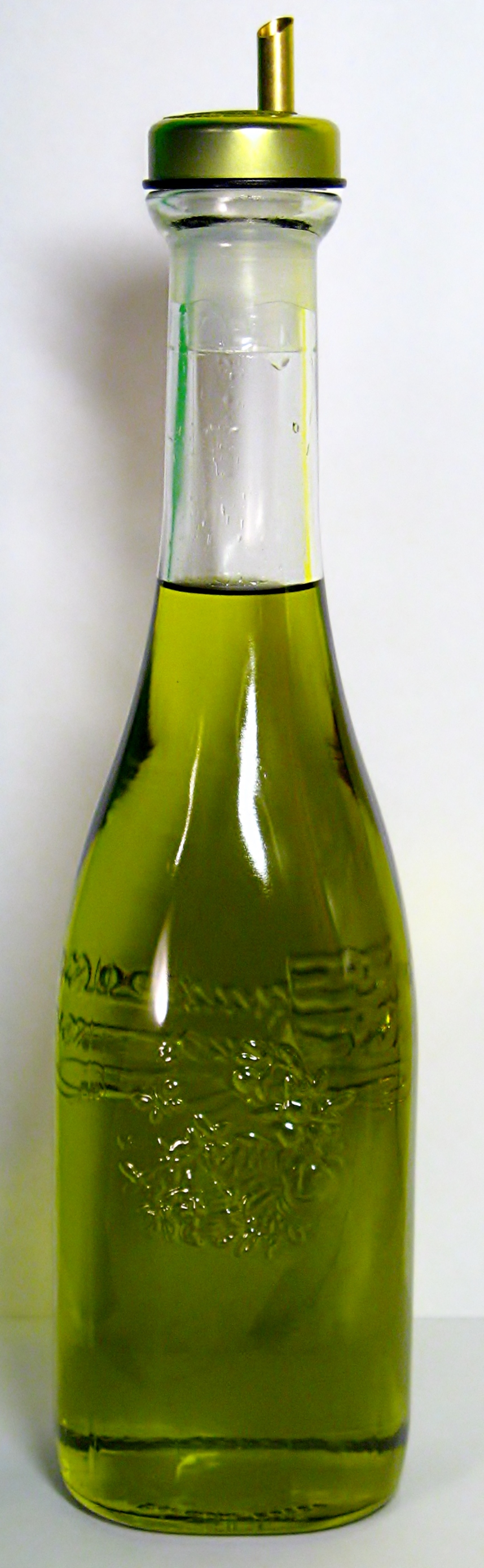
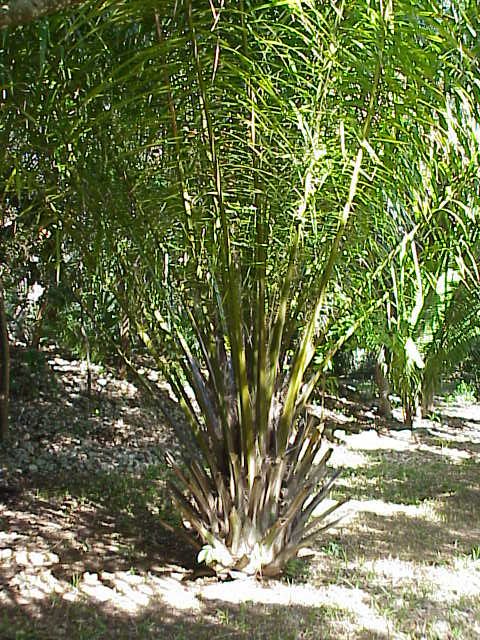
The oil palms (Elaeis) comprise two species of the Arecaceae, or palm family. They are used in commercial agriculture in the production of palm oil. The African Oil Palm Elaeis guineensis is native to west Africa, occurring between Angola and Gambia, while the American Oil Palm Elaeis oleifera is native to tropical Central America and South America. Mature trees are single-stemmed, and grow to 20 m tall. The leaves are pinnate, and reach between 3-5 m long. A young tree produces about 30 leaves a year. Established trees over 10 years produce about 20 leaves a year. The flowers are produced in dense clusters; each individual flower is small, with three sepals and three petals. The fruit takes five to six months to mature from pollination to maturity; it comprises an oily, fleshy outer layer (the pericarp), with a single seed (kernel), also rich in oil. Unlike other relatives, the oil palm does not produce offshoots; propagation is by sowing the seeds.
Friday, August 10, 2007
Manchester United F.C.

Manchester United Football Club are an English football club, based at the Old Trafford stadium in Trafford, Greater Manchester, and is arguably the most popular football club in the world, with over 50 million supporters worldwide;average attendances at the club have been higher than any other team in English football for all but six seasons since 1964-65. The club is also one of the most successful in English football; for over twenty years, since the 1986-87 season, they have won 18 major honours, which is more than any other Premier League club.They are the Premier League's reigning champions, and have won the Premier League/Football League 16 times. In 1968, they became the first English club to win the European Cup, beating S.L. Benfica 4–1, and they won a second European Cup in 1999. They also hold the record for the most FA Cup titles with 11.
Since the late 1990s the club has been one of the richest in the world, and until recently had the highest revenue of any football club for several years running. As of 2007, they have the fourth largest turnover in club football but remain the most profitable club based on operating income . Manchester United also remains the most valuable club in the world. The club is a founding member of the G-14 group of Europe's leading football clubs.
The Treble (1998-99)
The 1998-99 season for Manchester United was the most successful season in English club football history as they became the first and only English team to win The Treble - winning the Premiership, FA Cup and UEFA Champions League in the same season. After a very tense Premier League season, Manchester United won the title on the final day beating Tottenham Hotspur 2-1, whilst Arsenal won 1-0 against Aston Villa. Winning the Premiership was the first part of the Treble in place, the one part that manager Alex Ferguson described as the hardest. In the FA Cup Final United faced Newcastle United and won 2-0 with goals from Teddy Sheringham and Paul Scholes. In the final match of that season, the 1999 UEFA Champions League Final they defeated Bayern Munich in what was then considered one of the greatest comebacks ever witnessed, losing going into injury time and scoring twice to win 2-1. Ferguson was subsequently knighted for his services to football. Rounding out that record breaking year, Manchester United also won the Intercontinental Cup after beating Palmeiras 1-0 in Tokyo.
Subscribe to:
Posts (Atom)